 Image 1 of 1
Infrastructure & Grid Strategy
Infrastructure & Grid Strategy
Our approach to infrastructure and grid strategy blends resilience, deep decarbonization, and advanced digital intelligence to deliver a future-ready, reliable energy system. We prioritize scalable, cost-effective investments that modernize physical assets and grid operations while enabling the rapid deployment and integration of distributed energy resources (DERs), utility-scale renewables, and broad electrification across transportation, buildings, and industry.
Core principles
Resilience by design: Harden critical transmission and distribution assets against extreme weather, cyber threats, and supply-chain disruptions through targeted upgrades, redundancy, and situational awareness.
Decarbonization acceleration: Align grid investments with net-zero trajectories by unlocking higher penetrations of wind, solar, storage, and low-carbon firm power; incorporate fuel-neutral planning for hydrogen and bioenergy where strategic.
Flexibility & market enablement: Deploy grid-edge controls, advanced inverters, and market mechanisms that monetize flexibility — demand response, virtual power plants, and storage — to reduce peak capacity needs and lower system costs.
Digital-native operations: Integrate AI-enabled forecasting, distributed state estimation, and predictive maintenance to optimize asset lifecycle management, reduce outages, and improve operational efficiency.
Equity & community alignment: Design siting, workforce development, and benefit-sharing strategies that prioritize underserved communities and align infrastructure projects with local economic goals.
Strategic levers
Grid modernization roadmap: Prioritize investments using probabilistic risk models and value-stacking to sequence upgrades—DER integration, substation automation, dynamic line ratings, and targeted reconductoring.
DER orchestration platform: Build interoperable control layers and open APIs to aggregate customer-sited resources, enabling capacity services, ancillary markets participation, and resilience zones.
Flexible procurement: Use long-term contracts, capacity auctions, and staged competitive procurements to secure a balanced portfolio of renewables, storage, and firm capacity while managing cost risk.
Regulatory & market reform: Advocate outcomes-based performance metrics, time-varying rates, and transparent cost allocation to accelerate efficient electrification and reflect the value of flexibility.
Cross-sector electrification: Coordinate with transportation, buildings, and industrial stakeholders to align charging infrastructure, thermal-electrification, and hydrogen pathways with grid capacity and decarbonization goals.
Implementation metrics: Track loss-of-load expectation, DER penetration without operational constraints, emissions intensity per MWh, outage minutes per customer, and community benefit indices to measure social and economic impacts. Continuous, scenario-led planning—regularly updated with near-term operational data and long-term climate scenarios—ensures investments remain robust and adaptable under uncertainty. Outcome: A resilient, low-carbon, market-enabled grid that leverages digital intelligence and community-centered planning to deliver reliable, affordable energy while unlocking new revenue and value streams for customers and stakeholders.
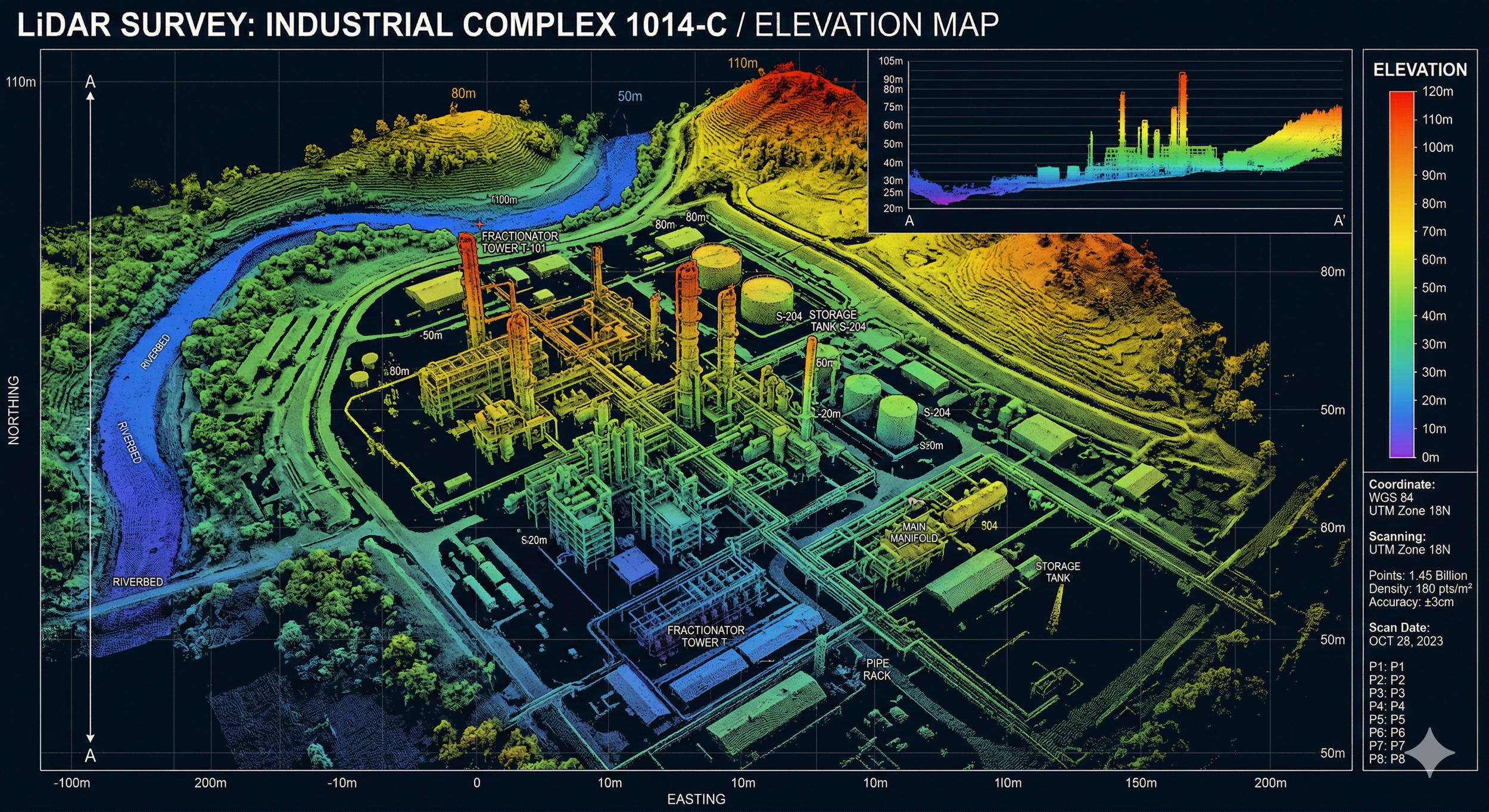
The Price: $250 – $500 per hour (Strategy/Consulting) or $10,000 – $25,000+ per project (Digital Twin/Grid Audit).
Infrastructure & Grid Strategy
Our approach to infrastructure and grid strategy blends resilience, deep decarbonization, and advanced digital intelligence to deliver a future-ready, reliable energy system. We prioritize scalable, cost-effective investments that modernize physical assets and grid operations while enabling the rapid deployment and integration of distributed energy resources (DERs), utility-scale renewables, and broad electrification across transportation, buildings, and industry.
Core principles
Resilience by design: Harden critical transmission and distribution assets against extreme weather, cyber threats, and supply-chain disruptions through targeted upgrades, redundancy, and situational awareness.
Decarbonization acceleration: Align grid investments with net-zero trajectories by unlocking higher penetrations of wind, solar, storage, and low-carbon firm power; incorporate fuel-neutral planning for hydrogen and bioenergy where strategic.
Flexibility & market enablement: Deploy grid-edge controls, advanced inverters, and market mechanisms that monetize flexibility — demand response, virtual power plants, and storage — to reduce peak capacity needs and lower system costs.
Digital-native operations: Integrate AI-enabled forecasting, distributed state estimation, and predictive maintenance to optimize asset lifecycle management, reduce outages, and improve operational efficiency.
Equity & community alignment: Design siting, workforce development, and benefit-sharing strategies that prioritize underserved communities and align infrastructure projects with local economic goals.
Strategic levers
Grid modernization roadmap: Prioritize investments using probabilistic risk models and value-stacking to sequence upgrades—DER integration, substation automation, dynamic line ratings, and targeted reconductoring.
DER orchestration platform: Build interoperable control layers and open APIs to aggregate customer-sited resources, enabling capacity services, ancillary markets participation, and resilience zones.
Flexible procurement: Use long-term contracts, capacity auctions, and staged competitive procurements to secure a balanced portfolio of renewables, storage, and firm capacity while managing cost risk.
Regulatory & market reform: Advocate outcomes-based performance metrics, time-varying rates, and transparent cost allocation to accelerate efficient electrification and reflect the value of flexibility.
Cross-sector electrification: Coordinate with transportation, buildings, and industrial stakeholders to align charging infrastructure, thermal-electrification, and hydrogen pathways with grid capacity and decarbonization goals.
Implementation metrics: Track loss-of-load expectation, DER penetration without operational constraints, emissions intensity per MWh, outage minutes per customer, and community benefit indices to measure social and economic impacts. Continuous, scenario-led planning—regularly updated with near-term operational data and long-term climate scenarios—ensures investments remain robust and adaptable under uncertainty. Outcome: A resilient, low-carbon, market-enabled grid that leverages digital intelligence and community-centered planning to deliver reliable, affordable energy while unlocking new revenue and value streams for customers and stakeholders.
The Price: $250 – $500 per hour (Strategy/Consulting) or $10,000 – $25,000+ per project (Digital Twin/Grid Audit).